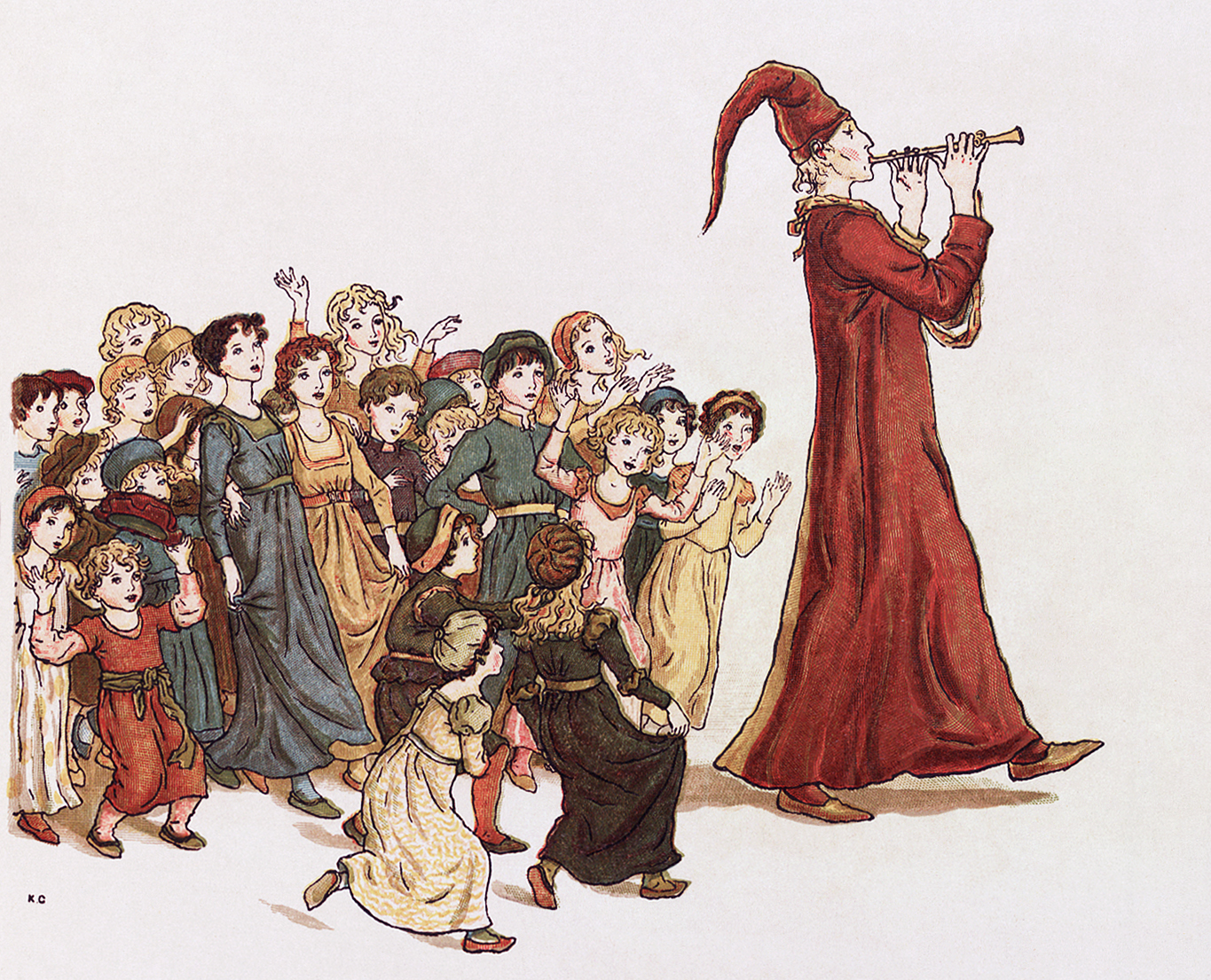
Using stories is an amazingly powerful resource for us to achieve the reading and writing targets of years from 1 to 6. There are many different types of stories and each type can be meaningful in several ways. Here is a short compilation of stories which can be worked in class with young learners.
Below there's a collection of projects for you to carry out in class
The duck project: This project is divided into two parts: one based on a listen and make approach where children will have to follow our instructions in order to carry out an activity and a second part where the approach is to get children speaking with support as they learn a new song. The project as such consists of two hypothetical interactions where both parts take place.
Halloween: listen and make.This little project is another model of Listen and make tasks for children reinforce their listening skills and do something about it.
In this section you will find some material that can help you to organice your teaching as well as some reports on theoretical principles.
Why did I do it like this? The importance of planning. Sometimes our performance in class becomes rather automatic so we cannot be totally sure that our methods are still as valid as when we first designed them. This presentation shows us how to plan our teaching in a proper way.
In this section you have plenty of activities to work with the Smart Board software in class.
The activities have been divided into groups. You can download every group of activities by clicling on the link provided:
Do something about it: The particular aim of this group activities is to reinforce understanding by linking it to active response: Total Physical Response. Download Group 1 (Notebook file)
Let's tell a story together: Eensy Weensy Spider Readme
Guess: The intention behind this group is to stimulate the asking of questions and to exploit the children's sense of fun and instinct to respond to a challenge. Download Group 2 (Notebook file)
Get up and find out: This group of activities aims at setting up a meaningful language interaction wich involves movement round the classroom. Download Group 3 (Notebook file)
Can you remember? This group of activities has the intention of showing that our memory can create real communication: Download Group 4 (Notebook file)
Think for yourself!: This group of activities encourage the children to use their imagination and their capabilty to generate and organice ideas. Download Group 5 (Notebook file)


.png)